How builders calculate construction costs
Understanding how builders calculate construction costs is essential for creating realistic project budgets and setting competitive prices. From reviewing drawings and completing quantity takeoffs to pricing materials, labour, subcontractors, equipment, and site costs, every component can affect the final estimate. This guide explains the construction cost calculation process, common estimating mistakes, factors that influence costs in Australia, and how professional estimating support from BuildHawk can help builders develop clearer and more reliable project costs.

BuildHawk
Founder · BuildHawk and Hawktress
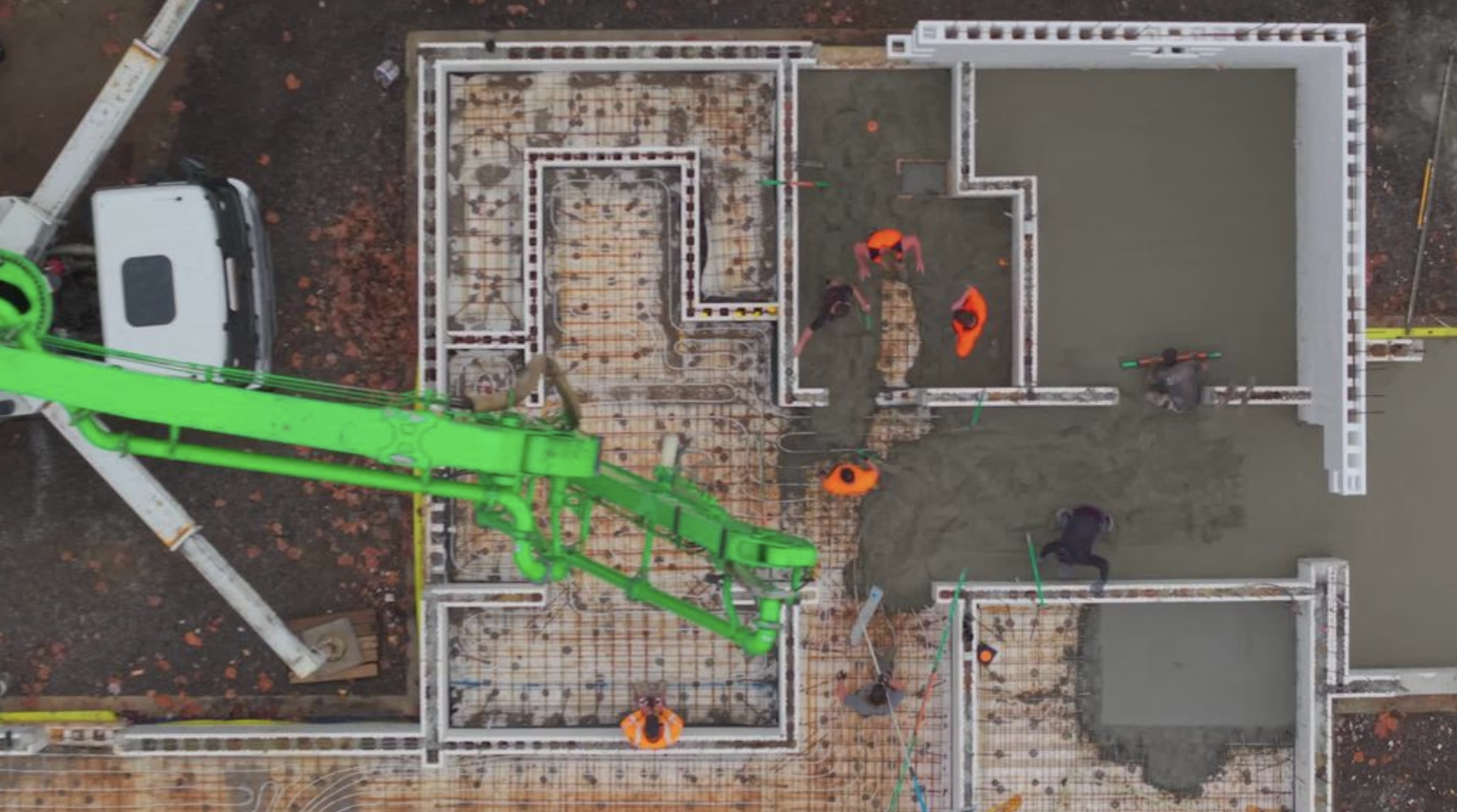
Short answer: Builders calculate construction costs by breaking a project into measurable components, estimating the quantities and costs of materials, labour, subcontractors, equipment and other expenses, then adding overheads, contingencies and the required profit margin. The process usually starts with reviewing project drawings and specifications, completing a quantity takeoff and obtaining current pricing. A structured estimate helps builders understand the likely cost of a project before setting a tender or client price.
Overview
- Construction costs start with the scope: Builders review drawings, specifications and site information to determine what work is required.
- Quantities come next: A construction takeoff identifies the materials, labour and work activities needed.
- Current pricing matters: Material, labour and subcontractor rates should reflect current market conditions.
- Other costs must be included: Equipment, site costs, permits, waste, delivery, insurance and other project expenses can affect the final cost.
- Risk needs to be considered: Contingencies and allowances can account for identifiable uncertainties.
- The final price is more than construction cost: Builders also need to consider business overheads and their required profit margin.
- BuildHawk can help: BuildHawk provides professional construction estimating services across Australia to help builders develop clearer, more reliable project costs.
What are construction costs?
Construction costs are the expenses involved in delivering a building project from start to completion.
Exactly what is included depends on the type and scope of the project. A residential renovation, commercial fit-out and large infrastructure project can have very different cost structures.
However, most construction estimates consider a combination of direct and indirect costs.
Direct costs are expenses that can generally be linked directly to the physical construction work, such as materials and labour. Indirect costs may include site management, temporary facilities, insurance, administration and other expenses required to deliver the project.
Understanding these categories is important when considering how builders calculate construction costs because leaving out relatively small expenses can have a meaningful effect when they accumulate across a project.
How do builders calculate construction costs?
The process generally begins with the project scope and works down to individual quantities and costs.
A simplified process looks like this:
Project Documentation → Quantity Takeoff → Material and Labour Pricing → Subcontractor Costs → Other Project Costs → Contingencies → Overheads → Profit Margin → Final Price
The builder or estimator first determines what needs to be constructed. They then calculate how much of each resource is required and apply appropriate rates.
For example, if a project requires 500 square metres of flooring and the supplied and installed cost is $80 per square metre, the estimated flooring cost would be:
500 m² × $80 = $40,000
The same principle can be applied across hundreds or thousands of individual cost items.
The challenge is ensuring the quantities, rates and assumptions behind each calculation are realistic.
What is included in construction costs?
When asking about the costs builders include in a construction estimate, it helps to think about the project as a collection of cost categories.
Depending on the project, these may include:
- Materials: Concrete, steel, timber, fixtures, finishes and other materials.
- Labour: Wages, allowances and labour resources required to complete the work.
- Subcontractors: Specialist trades such as plumbing, electrical, mechanical and glazing.
- Plant and equipment: Machinery, tools, equipment hire and related operating costs.
- Site costs: Site establishment, temporary facilities, security, waste removal and services.
- Delivery and logistics: Transport, freight, handling and material delivery.
- Permits and fees: Applicable approvals, permits and project-related charges.
- Insurance: Relevant project and business insurance costs.
- Overheads: Business and project administration expenses.
- Contingencies: Allowances for identified risks and uncertainties.
Not every project will require every category, so the estimate should reflect the actual scope.
What is a construction takeoff?
A construction takeoff is the process of identifying and measuring the quantities required to complete a project.
The estimator reviews drawings, specifications and other project documentation to determine quantities such as:
- Concrete: Cubic metres required for slabs, footings and other structures.
- Timber: Linear metres or quantities required for framing and other work.
- Flooring: Square metres of specified flooring materials.
- Paint: Areas requiring preparation and coating.
- Roofing: Roof areas and associated components.
- Doors and windows: Individual units and relevant specifications.
The takeoff provides the connection between the project design and its estimated cost.
If the takeoff misses an important item, the resulting estimate may be inaccurate even if the pricing applied to the identified items is correct.
How do builders calculate material costs?
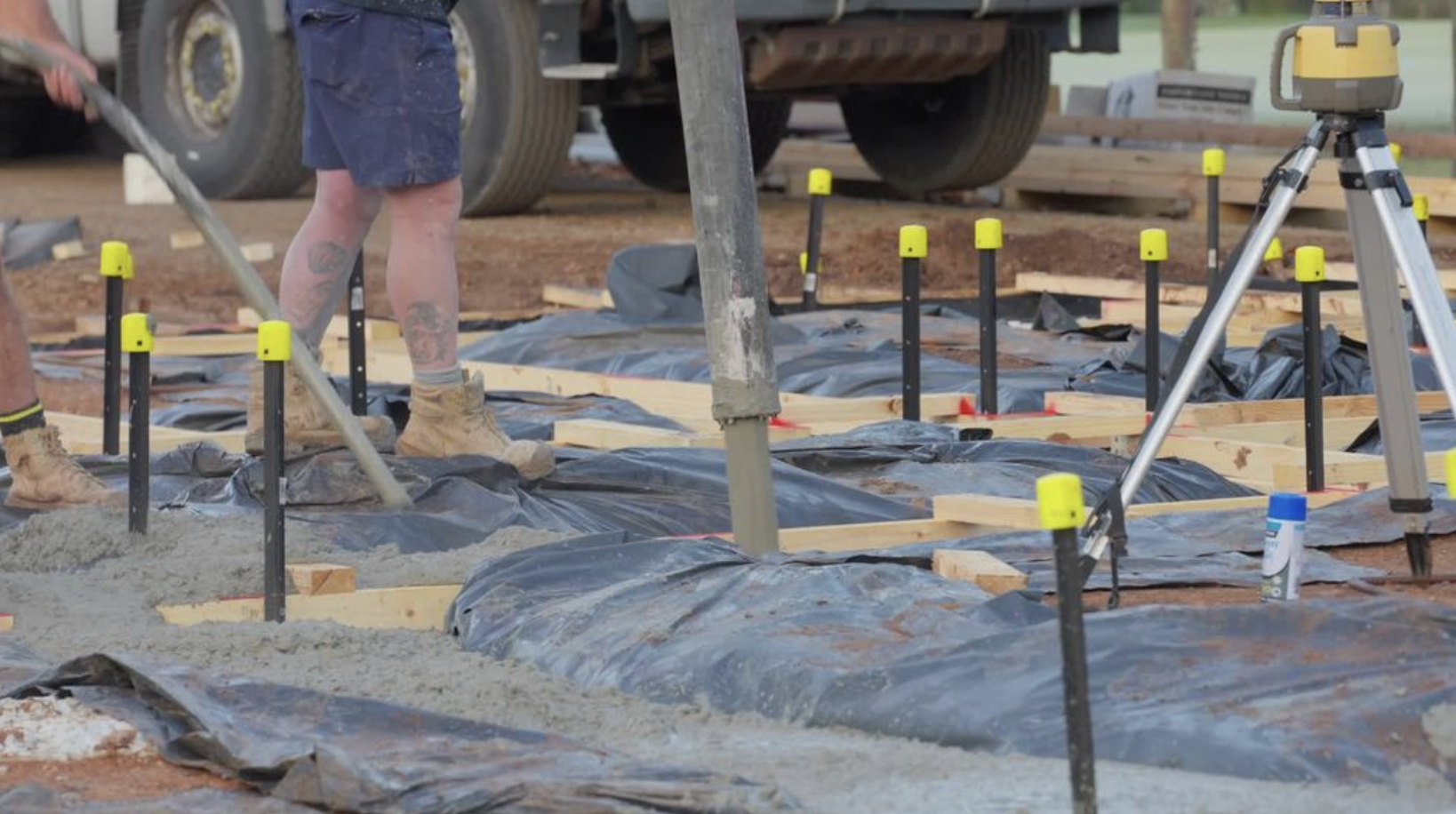
Material costs are generally calculated by multiplying the required quantity by the applicable unit price.
The basic calculation is:
Material Quantity × Unit Price = Material Cost
However, experienced estimators also consider costs that may sit outside the basic product price.
These can include:
- Wastage: Additional materials required because of cutting, breakage or installation requirements.
- Delivery: Freight and transport charges.
- Handling: Costs associated with receiving, storing or moving materials.
- Supplier changes: Differences between quoted and current supplier pricing.
- Lead times: Potential costs associated with procurement and availability.
- Installation requirements: Additional products or materials needed for installation.
For significant materials, obtaining current supplier quotes can provide a stronger basis for the estimate than relying on historical rates.
Australian construction businesses should also be mindful of broader price movements when reviewing cost assumptions. The Australian Bureau of Statistics publishes Producer Price Index data that can provide useful context about changes in input prices across the economy.
How do builders calculate labour costs?
Labour estimating involves determining how much labour is required and applying the relevant labour rates.
A simplified calculation is:
Labour Hours × Labour Rate = Labour Cost
For example, if an activity is expected to require 200 labour hours at an average cost of $55 per hour:
200 × $55 = $11,000
However, estimating labour is more complicated than multiplying hours by a rate.
Productivity can vary depending on factors such as:
- Site access: Difficult access can increase handling and installation time.
- Project complexity: More complicated work may require additional labour hours.
- Sequencing: Delays or inefficient sequencing can affect productivity.
- Location: Travel and logistical requirements can influence labour costs.
- Workforce availability: Local labour supply can affect rates and scheduling.
- Working conditions: Site conditions can affect how quickly tasks can be completed.
Australian businesses should also account for applicable employment requirements when developing labour cost assumptions, including relevant awards, minimum pay rates and employment conditions.
The Fair Work Ombudsman provides information about workplace requirements that may apply to building and construction businesses.
How do builders calculate subcontractor costs?
Many projects depend on subcontractors for specialist work.
Instead of calculating every trade from scratch, builders may obtain quotes from qualified subcontractors and incorporate those prices into the estimate.
When reviewing a subcontractor quote, the builder should check exactly what is included.
Important considerations can include:
- Scope: Does the quote cover all required work?
- Materials: Are materials included or supplied separately?
- Labour: Is installation labour included?
- Equipment: Does the subcontractor provide the necessary equipment?
- Exclusions: Are any parts of the scope specifically excluded?
- Allowances: Are provisional amounts being used?
- Validity: How long is the quoted price valid?
A low subcontractor quote is not necessarily the most economical option if significant parts of the scope have been excluded.
How does cost per square metre work?
Cost per square metre is a common way of developing an early construction cost indication.
The basic calculation is:
Total Construction Cost ÷ Building Area = Cost per Square Metre
For example, if a project is expected to cost $2 million and has a construction area of 2,000 square metres:
$2,000,000 ÷ 2,000 m² = $1,000/m²
Cost-per-square-metre figures can be useful during early feasibility and planning.
However, they should not automatically be treated as a detailed estimate.
Two buildings with the same floor area can have very different costs because of their design, materials, finishes, site conditions, structural requirements and services.
A detailed estimate becomes increasingly important as the project progresses.
What other costs should builders consider?
One of the biggest estimating risks is focusing only on the physical building work.
A project can also generate substantial costs from operating the site and managing the construction process.
Depending on the project, these may include:
- Site establishment: Temporary fencing, signage, facilities and services.
- Waste management: Skip bins, disposal and waste handling.
- Equipment: Plant hire, machinery and specialised equipment.
- Supervision: Site management and project supervision.
- Temporary works: Temporary structures and services required during construction.
- Traffic management: Controls required for access and deliveries.
- Security: Fencing, lighting and site security measures.
- Insurance: Applicable construction and business insurance.
- Administration: Project documentation and administrative support.
These expenses should be considered before the builder finalises the project price.
How do you calculate the total cost of a construction project?
There is no single formula that works for every project, but a simplified model is:
Direct Costs + Indirect Costs + Contingencies + Overheads = Estimated Project Cost
The builder can then apply the required profit margin to establish the project price.
For example:
The builder would then review the appropriate contingency, business overhead allocation and profit margin before determining the final tender or quoted price.
The actual approach will vary according to the project's commercial structure.
What factors affect construction costs in Australia?
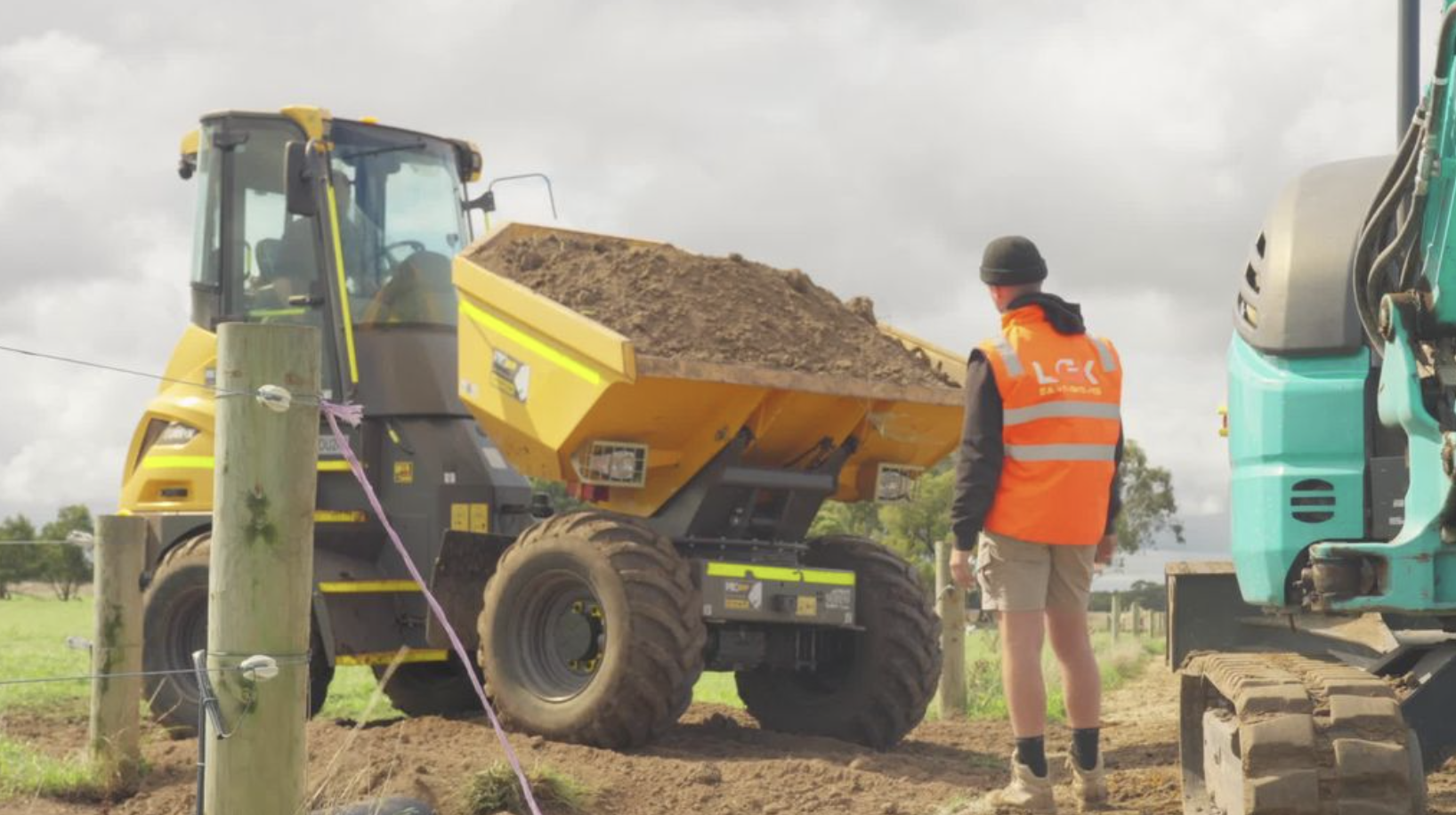
Construction costs can vary significantly between projects and locations.
Factors may include:
- Project location: Labour, transport and supplier availability can vary by region.
- Building type: Residential, commercial and industrial projects have different cost structures.
- Site conditions: Ground conditions, access and existing structures can increase costs.
- Materials: Product specifications and market pricing influence the cost.
- Labour: Availability, productivity and applicable employment costs affect labour estimates.
- Design complexity: Complex architectural or structural requirements can increase labour and material needs.
- Finishes: Premium fixtures and finishes can significantly change project costs.
- Project timeframe: Accelerated schedules may require additional resources.
- Market conditions: Changes in material and labour costs can affect estimates.
- Regulatory requirements: Applicable building and safety requirements can influence project scope and cost.
This is why a historical cost from another project should not automatically be copied into a new estimate.
How accurate are construction cost estimates?
The accuracy of an estimate depends heavily on the quality and completeness of the information available.
An early feasibility estimate may use limited project information and therefore have greater uncertainty.
A detailed tender estimate prepared from complete drawings, specifications, supplier pricing and subcontractor quotes can generally provide a stronger cost basis.
Accuracy can be improved by:
- Using complete documentation: Review the latest drawings and specifications.
- Maintaining current rates: Regularly update supplier, labour and subcontractor pricing.
- Using detailed takeoffs: Measure quantities rather than relying on broad assumptions.
- Documenting assumptions: Record exclusions, allowances and pricing assumptions.
- Reviewing the estimate: Conduct a quality check before submission.
- Comparing actual costs: Use completed projects to improve future estimating.
The objective is not to create an estimate that appears precise. It is to create one that is supported by reasonable quantities, rates and assumptions.
Common mistakes when calculating construction costs
Even experienced builders can overlook costs when an estimate is prepared under time pressure.
Common mistakes include:
- Missing quantities: Leaving required materials or work activities out of the takeoff.
- Outdated pricing: Using supplier or subcontractor rates that no longer reflect current conditions.
- Underestimated labour: Allowing insufficient hours for the actual work.
- Ignoring wastage: Failing to account for material losses.
- Overlooking exclusions: Accepting subcontractor quotes without reviewing their scope.
- Missing site costs: Forgetting temporary services, waste, security or equipment.
- Using broad averages: Applying cost-per-square-metre figures when a detailed estimate is required.
- Failing to update estimates: Continuing to use old costs after the project scope changes.
A consistent estimating process can help reduce these errors.
How BuildHawk helps Australian builders calculate construction costs
For many builders, the difficulty is not knowing that accurate costing matters. The challenge is finding the time to complete detailed takeoffs, research pricing, review subcontractor quotes and build estimates while managing active projects.
This is where professional estimating support can help.
BuildHawk provides construction estimating services across Australia, helping builders turn project drawings and documentation into structured cost estimates.
Our estimating support can help with the detailed work behind project pricing, including quantity takeoffs, material and labour costing, subcontractor pricing and estimate reviews.
For builders managing multiple tenders or complex projects, outsourcing part of the estimating process can also create additional capacity without immediately expanding the internal team.
If you want greater confidence in your project costs before submitting your next tender, talk to BuildHawk about your estimating requirements and see how professional estimating support can fit into your workflow.
Frequently asked questions
1. How do builders calculate construction costs?
Builders calculate construction costs by reviewing the project scope, completing a quantity takeoff, pricing materials and labour, obtaining subcontractor costs and adding equipment, site and other project expenses. Contingencies and overheads are then considered before determining the final project price.
2. What is included in construction costs?
Construction costs can include materials, labour, subcontractors, equipment, site expenses, deliveries, waste management, permits, insurance and other costs required to complete the project.
3. What is the formula for calculating construction costs?
A simplified formula is Direct Costs + Indirect Costs + Contingencies + Overheads = Estimated Project Cost. The required profit margin can then be considered when establishing the final project price.
4. How do builders calculate material costs?
Builders generally multiply the required quantity by the applicable unit price. They may also account for wastage, delivery, handling, supplier conditions and other procurement costs.
5. How do builders calculate labour costs?
Builders estimate the labour hours required for each activity and multiply those hours by the applicable labour rate. Productivity, site conditions, project complexity and employment requirements can also affect the calculation.
6. How do builders calculate subcontractor costs?
Builders commonly obtain quotes from specialist subcontractors and review those quotes against the project's scope. They should check inclusions, exclusions, materials, labour, equipment and quote validity before incorporating the price into the estimate.
7. What is a construction takeoff?
A construction takeoff is the process of identifying and measuring the quantities of materials and work required from project drawings and specifications. It forms an important foundation for detailed construction estimating.
8. How does cost per square metre work in construction?
Cost per square metre is calculated by dividing the estimated construction cost by the project's relevant floor area. It can provide a useful early cost indication but is generally not a substitute for a detailed estimate.
9. What factors affect construction costs in Australia?
Location, labour availability, material prices, project type, site conditions, design complexity, finishes, timeframe, regulatory requirements and market conditions can all influence construction costs in Australia.
10. How accurate are construction cost estimates?
Accuracy depends on the project's stage, documentation quality, quantity takeoff, pricing information and assumptions used. Detailed estimates based on current drawings, supplier pricing and subcontractor quotes can provide a stronger basis for decision-making.
Final thoughts
Understanding how builders calculate construction costs is essential for setting realistic project prices and protecting commercial outcomes.
The process goes well beyond adding up material prices. Builders need to understand the scope, measure quantities, estimate labour, review subcontractor costs, account for site and project expenses and consider appropriate contingencies and overheads.
A reliable estimating process gives builders a clearer picture of what a project is likely to cost before they commit to a price.
For Australian builders that need additional estimating capacity or specialist support, BuildHawk provides professional construction estimating services across Australia. With structured support for project costing and takeoffs, BuildHawk can help builders spend less time working through complex estimates and more time focusing on winning and delivering profitable projects.
References
Australian Building Codes Board. (n.d.). National Construction Code. https://www.abcb.gov.au/
Australian Bureau of Statistics. (n.d.). Building activity, Australia. https://www.abs.gov.au/statistics/industry/building-and-construction/building-activity-australia
Australian Bureau of Statistics. (n.d.). Producer price indexes, Australia. https://www.abs.gov.au/statistics/economy/price-indexes-and-inflation/producer-price-indexes-australia
Fair Work Ombudsman. (n.d.). Building and construction. https://www.fairwork.gov.au/find-help-for/fast-food-restaurants-cafes-and-other-hospitality/building-and-construction
Safe Work Australia. (n.d.). Construction. https://www.safeworkaustralia.gov.au/safety-topic/industry-and-business/construction
Written by
BuildHawk
Founder · BuildHawk and Hawktress
Related articles
See all
How to check if a construction estimate is accurate
Knowing **how to check if a construction estimate is accurate** can help Australian builders identify costly errors before they affect a tender or project budget. From reviewing project scope and verifying quantities to checking material, labour, and subcontractor pricing, several factors can influence estimate reliability. This guide explains how to review construction estimates, identify missing costs and assumptions, compare figures with current market conditions, and determine when an independent review may be worthwhile. It also explores how BuildHawk’s construction estimating services can provide additional support and clearer cost visibility for builders across Australia.
How long does a construction estimate take?
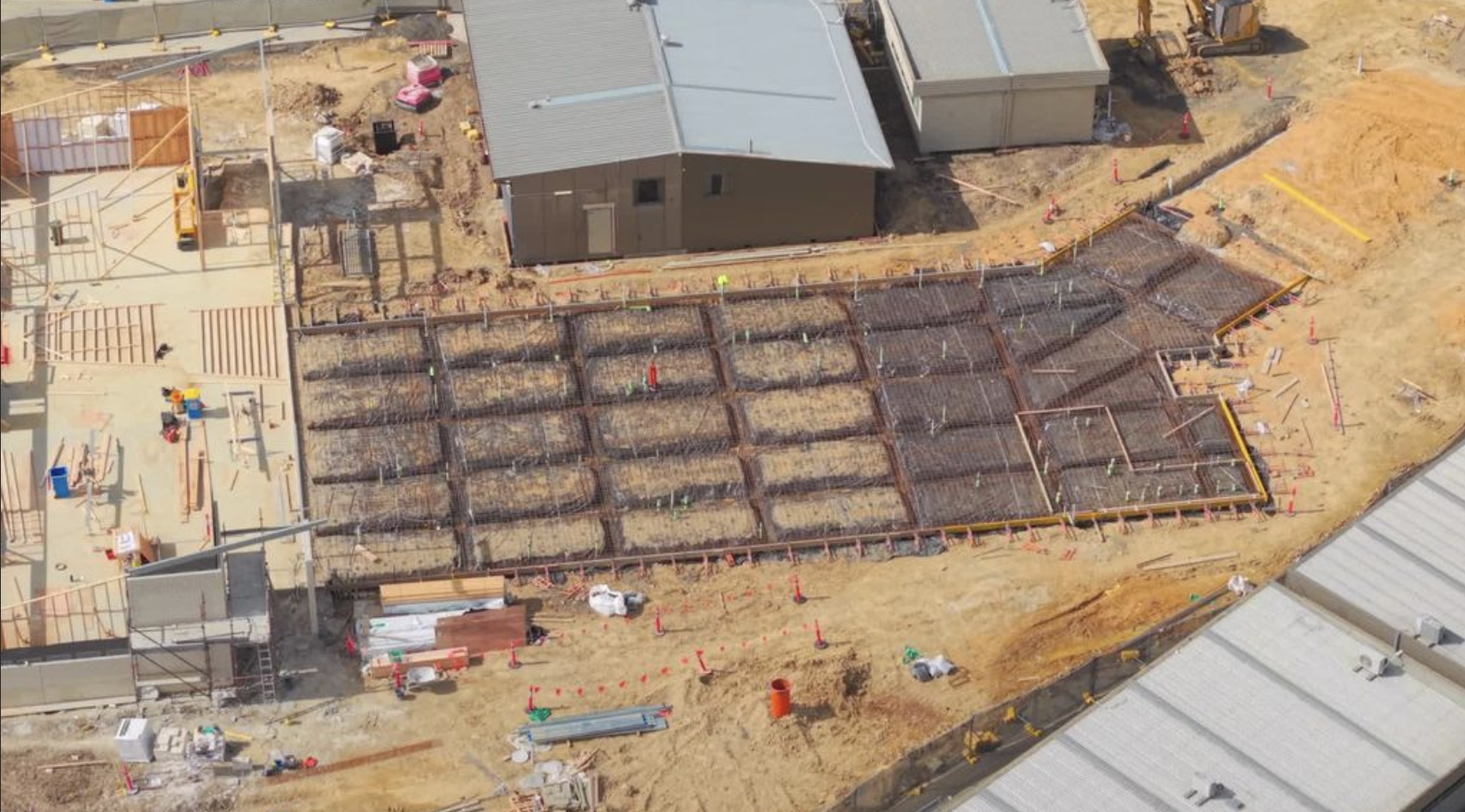
How long does a construction estimate take? The answer depends on the project’s size, complexity, documentation, number of trades, and level of detail required. Simple residential projects may take a few hours to several days, while complex commercial tenders can take several weeks. This guide explains what affects construction estimate turnaround time, why complete project information matters, and how clear pricing assumptions can help Australian builders make more informed decisions. It also explores how BuildHawk’s construction estimating services can support a more structured and transparent estimating process.