Why accurate construction estimates matter for project profitability
Accurate construction estimates are essential for Australian builders looking to price projects competitively while protecting their profit margins. Even small estimating errors, such as missed quantities, outdated material prices, underestimated labour, or overlooked subcontractor costs, can lead to cost overruns and reduced profitability. This guide explains why construction estimate accuracy matters, how reliable estimates support bidding and cost control, common estimating mistakes to avoid, and practical ways to improve the estimating process. It also explores how BuildHawk’s construction estimating services can help Australian builders gain clearer cost visibility, reduce uncertainty, and price projects with greater confidence.

BuildHawk
Founder · BuildHawk and Hawktress
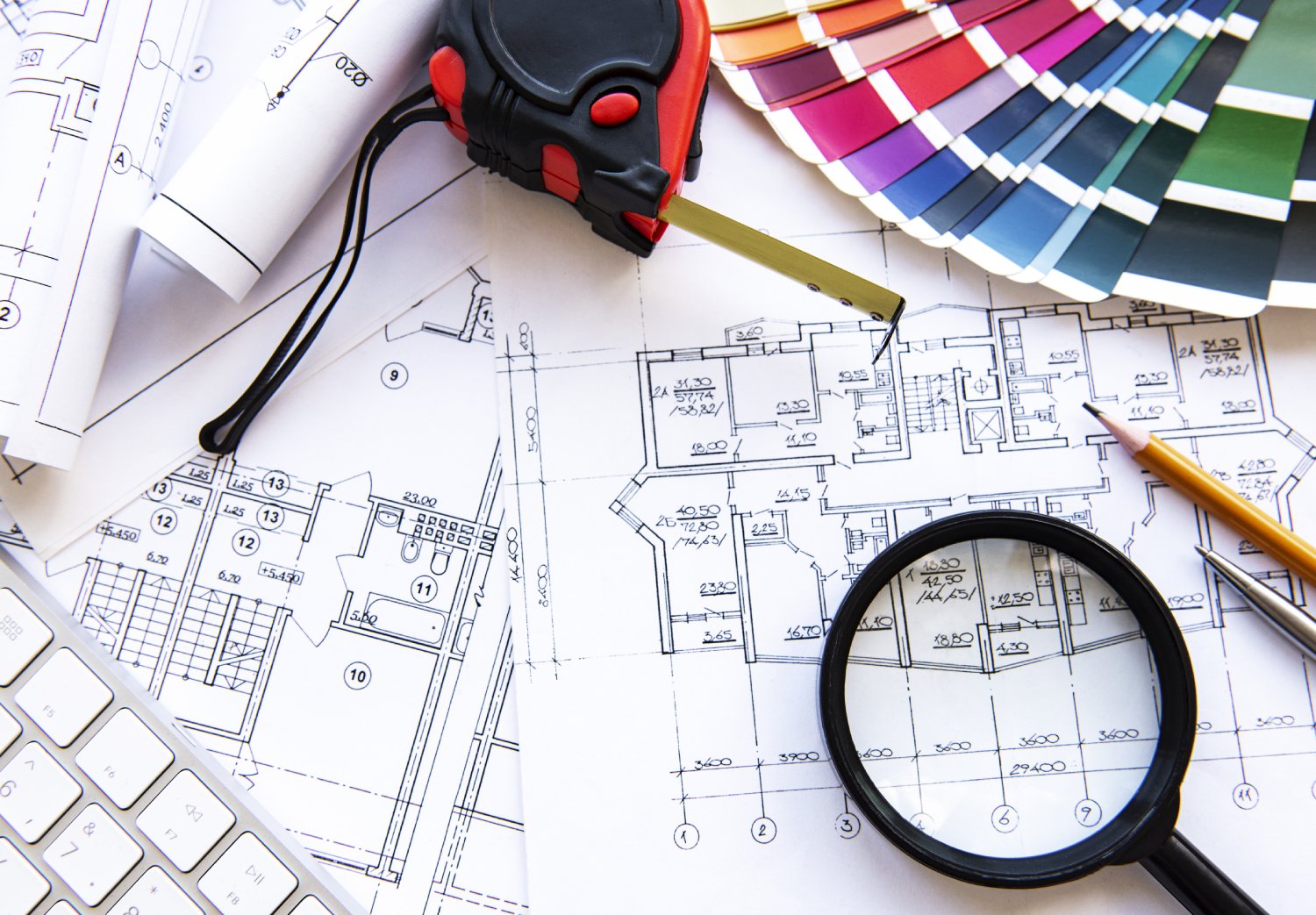
Short answer: Accurate construction estimates matter because they give builders a reliable foundation for pricing projects, controlling costs and protecting profit margins. When an estimate is too low, the builder may win the project but discover that labour, materials or subcontractor costs leave little or no profit. When an estimate is well prepared, builders can price more confidently, identify risks earlier and make better financial decisions throughout the project.
Overview
- Accurate estimates protect margins: Reliable cost calculations help ensure project pricing covers expected expenses and profit.
- They reduce cost surprises: Detailed estimating can identify missing quantities, labour requirements and other potential costs before construction begins.
- They improve bidding: Builders can submit competitive prices without relying on guesswork.
- They support cost control: An estimate provides a benchmark against which actual project costs can be monitored.
- They help identify risk: Material prices, labour requirements, subcontractor costs and scope changes can be considered before work starts.
- Accuracy supports better decisions: Builders can assess whether a project is commercially viable before committing resources.
- BuildHawk supports Australian builders: BuildHawk provides construction estimating services in Australia to help businesses gain greater clarity over project costs and protect profitability.
What is an accurate construction estimate?
An accurate construction estimate is a detailed projection of what it should cost to complete a project based on the available plans, specifications, quantities, labour requirements, materials and other relevant costs.
It is important to remember that an estimate is not a guarantee of the final project cost. Construction conditions can change and unexpected issues can arise.
The goal is instead to create a realistic financial picture based on the information available at the time.
For builders, this distinction matters. An estimate that looks precise but is based on incomplete quantities or outdated pricing may create more risk than an estimate that clearly identifies its assumptions and uncertainties.
Why accurate construction estimates matter for project profitability
Construction profitability is closely connected to the difference between what a builder receives for a project and what it actually costs to deliver.
If the estimated costs are significantly below the actual costs, the original project price may not provide enough room to maintain the expected margin.
For example, imagine a builder prices a project at $1M and expects construction costs of $850,000. That creates a projected gross profit of $150,000.
If actual costs increase to $930,000 because of estimating errors, missed quantities or unexpected labour requirements, the projected gross profit falls to $70,000.
The project may still be completed successfully, but its profitability has changed substantially.
This is why accurate construction estimates matter. They are not just about getting the numbers right—they help builders make sound pricing decisions, manage financial risk and protect the profitability of each project.
Accurate estimating is closely connected to quantity surveying, which involves measuring, costing and managing the financial aspects of construction projects.
How construction estimating affects profit margins

A construction estimate influences the price a builder ultimately puts forward. The basic relationship is:
Project Price = Estimated Costs ÷ (1 − Required Profit Margin)
This ensures that the builder's required margin is calculated as a percentage of the final project price, rather than simply being added to the estimated construction costs.
If the estimated costs are too low, the builder may underprice the project.
If they are too high, the tender may become less competitive and the builder could lose the opportunity.
This creates a balancing act. Builders need estimates that are detailed enough to reflect realistic costs while still allowing them to submit commercially competitive prices.
Accurate estimating helps provide the information needed to make that decision.
Construction costs can change over time due to fluctuations in materials, labour and other project inputs.
How accurate estimates reduce cost overruns
Cost overruns can occur for many reasons, but some originate before construction even begins.
A missing quantity, incorrect labour allowance or overlooked subcontractor cost can become a real expense once the project is underway.
A more thorough estimating process can reduce these risks by requiring costs to be identified systematically.
Builders can review:
- Material quantities: Confirming that required materials have been properly accounted for.
- Labour requirements: Allowing for realistic hours, workforce requirements and labour rates.
- Subcontractor costs: Obtaining appropriate allowances or quotes for specialist work.
- Equipment: Accounting for plant, equipment hire and associated costs.
- Site conditions: Considering project-specific conditions that may affect costs.
- Scope requirements: Checking that the estimate reflects the work actually required.
The objective is not to eliminate every unexpected cost. That is rarely possible in construction.
Instead, good estimating aims to reduce avoidable surprises and make known risks easier to manage.
What happens when a construction estimate is inaccurate?
An inaccurate estimate can affect a project long after the tender has been submitted.
One of the most obvious consequences is margin erosion.
Other issues may include:
- Underpricing: The project is priced below its realistic delivery cost.
- Budget pressure: Actual expenditure begins exceeding planned costs.
- Cash flow challenges: Unexpected expenses can create additional pressure on available funds.
- Scope disputes: Missing or unclear items can create disagreements about what was included.
- Procurement problems: Incorrect quantities can result in rushed purchases or additional orders.
- Reduced profitability: The final project margin may be significantly lower than expected.
In severe cases, estimating errors can affect the financial performance of the wider business, particularly when multiple projects are affected at the same time.
How do builders prepare an accurate construction estimate?
Preparing an accurate estimate starts with understanding the project documentation.
The builder or estimator needs to establish what work is included, what quantities are required and what resources will be needed to complete it.
A practical process typically involves:
1. Review the project documentation
Start by reviewing drawings, specifications, schedules and other available information.
The aim is to understand the scope before assigning costs.
2. Complete a detailed takeoff
Quantities need to be identified from the project documentation.
Depending on the project, this can cover materials, areas, lengths, volumes and other measurable components.
3. Establish material costs
Current supplier pricing should be used where possible.
Material prices can change, so relying on old rates can introduce unnecessary risk.
4. Calculate labour costs
Labour requirements should reflect the actual work involved rather than relying solely on broad assumptions.
Productivity, labour rates and project conditions can all influence the calculation.
5. Account for subcontractors
Specialist trades can represent a significant portion of construction costs.
Their expected costs should be properly considered rather than added as an afterthought.
6. Review the estimate
Before the estimate is used for pricing, it should be checked for omissions, inconsistencies and unrealistic allowances.
This final review can be one of the most valuable steps in improving estimating accuracy.
Accurate record keeping, which is also important when monitoring project profitability.
What factors affect construction estimate accuracy?
Several factors can influence how reliable an estimate is.
The quality of the project documentation is one of the most important. If plans are incomplete or specifications are unclear, there may be more uncertainty in the estimate.
Market conditions also matter.
Material prices, labour availability, subcontractor rates and equipment costs can change over time.
Other factors include project location, site conditions, construction complexity and changes to the project scope.
For Australian builders, these factors make it particularly important to use relevant and current pricing information when preparing estimates.
Common construction estimating mistakes

Even experienced builders can encounter estimating problems.
Some mistakes are relatively small, while others can have a major effect on project profitability.
Common examples include:
- Missing quantities: Failing to include required materials or work items.
- Using outdated prices: Relying on old supplier or subcontractor rates.
- Underestimating labour: Allowing insufficient time or labour resources for the work.
- Overlooking site costs: Failing to properly account for project-specific site expenses.
- Ignoring scope changes: Continuing to rely on an old estimate after the project has changed.
- Using inconsistent assumptions: Applying different assumptions across different parts of the estimate.
- Failing to review the estimate: Moving directly from calculation to pricing without a proper quality check.
These mistakes demonstrate why estimating should be treated as a structured process rather than a quick calculation.
How to improve construction estimate accuracy
Improving estimating accuracy does not necessarily mean making every estimate more complicated.
It means making the process more consistent and ensuring important cost information is not overlooked.
Builders can improve their approach by maintaining current pricing databases, using detailed takeoffs and documenting assumptions.
It is also useful to compare estimated costs with actual project results after completion.
This creates a feedback loop.
If labour consistently costs more than estimated for a particular type of work, for example, that information can be used to improve future estimates.
Over time, historical project data can become a valuable resource for improving estimating accuracy.
How construction estimates help control project costs
An estimate is not only useful before a project begins.
It can also provide a baseline for cost management once construction is underway.
Actual expenditure can be compared with estimated costs to identify variances.
If material costs are significantly higher than expected, the builder can investigate the reason and determine whether corrective action is needed.
This is particularly useful for projects where costs are spread across multiple trades and stages.
The earlier a cost problem is identified, the more opportunities there may be to manage its impact.
Can accurate estimates improve construction bidding?
Yes.
Accurate estimates give builders greater confidence when preparing tenders and quotes.
A builder needs to remain competitive, but competing purely on price can be dangerous if the underlying costs have not been properly calculated.
A reliable estimate allows the builder to understand the cost base before deciding on the final price.
This can help avoid two common problems: pricing too high and losing the opportunity, or pricing too low and damaging profitability.
Accurate estimating therefore supports both competitiveness and commercial discipline.
How accurate construction estimates protect profit margins
Profit margin protection starts before construction begins.
Once a project has been accepted at a particular price, the builder has limited ability to recover costs that were simply overlooked during estimating.
This is why estimating accuracy is so important.
A reliable estimate helps the builder understand:
- What the project is expected to cost: Providing a realistic cost base.
- Where the major expenses are: Highlighting materials, labour and subcontractor costs.
- Where risks may exist: Identifying areas that may require additional review or allowances.
- What price may be commercially viable: Supporting informed pricing decisions.
- How costs should be monitored: Providing a benchmark for project cost control.
Good estimating does not guarantee a profitable project, but it significantly improves the information available when making decisions that affect profitability.
How BuildHawk helps Australian builders
For many builders, the challenge is not recognising that accurate estimating matters. The real challenge is producing detailed and reliable estimates consistently while managing active construction projects.
This is where professional estimating support can make a difference.
BuildHawk provides construction estimating services in Australia, helping builders and construction businesses gain a clearer understanding of project costs before committing to a price.
By taking a structured approach to quantities, labour, materials and other project costs, BuildHawk can help businesses reduce uncertainty and make more informed decisions.
The objective is simple: give builders better cost visibility so they can price projects with greater confidence and protect their expected margins.Ready to take the guesswork out of your next estimate? Partner with BuildHawk for professional construction estimating support and get the cost clarity you need to price with confidence. Get started with BuildHawk today to learn more.
Frequently asked questions
Why do accurate construction estimates matter for project profitability?
Accurate construction estimates help builders establish realistic project costs before setting a price. This reduces the risk of underpricing work and helps protect the expected profit margin.
How does construction estimating affect profit margins?
Construction estimating establishes the expected cost of delivering a project. If those costs are underestimated, the builder may accept a project price that leaves less profit than expected.
How can accurate construction estimates reduce cost overruns?
Detailed estimating can identify quantities, labour requirements, material costs and subcontractor expenses before construction begins. This helps reduce avoidable omissions and unexpected cost pressures.
What happens when a construction estimate is inaccurate?
An inaccurate estimate can lead to underpricing, budget pressure, cost overruns and reduced profit margins. It can also create procurement and cash flow challenges.
How do builders prepare an accurate construction estimate?
Builders typically review project documentation, complete a detailed takeoff, calculate material and labour costs, account for subcontractors and review the estimate for omissions and inconsistencies.
What factors affect construction estimate accuracy?
Estimate accuracy can be affected by the quality of project documentation, material prices, labour rates, subcontractor costs, site conditions, project complexity and changes in scope.
How can builders improve construction estimating accuracy?
Builders can improve accuracy by using current pricing, detailed takeoffs, consistent estimating processes and historical project data. Regular reviews can also identify recurring estimating errors.
What are the most common construction estimating mistakes?
Common mistakes include missing quantities, outdated pricing, underestimated labour, overlooked site costs, incorrect assumptions and failing to account for changes in project scope.
How does construction estimating help control project costs?
A construction estimate provides a baseline for expected expenditure. Comparing actual costs against this baseline can help builders identify variances and address potential cost problems earlier.
Can accurate estimates improve construction bidding?
Yes. Accurate estimates help builders understand their true cost base before submitting a tender or quote. This makes it easier to remain competitive without unnecessarily putting project margins at risk.
Final thoughts
Accurate construction estimates are one of the foundations of profitable construction projects.
They help builders understand expected costs, price work more confidently, identify risks and establish a stronger basis for controlling expenditure once construction begins.
The key is to treat estimating as an ongoing business process rather than simply a number needed to submit a tender.
For Australian builders, BuildHawk provides construction estimating support designed to improve cost visibility and reduce the uncertainty that can affect project profitability.
References
Australian Bureau of Statistics. (n.d.-a). Building activity, Australia. https://www.abs.gov.au/statistics/industry/building-and-construction/building-activity-australia
Australian Bureau of Statistics. (n.d.-b). Producer price indexes, Australia. https://www.abs.gov.au/statistics/economy/price-indexes-and-inflation/producer-price-indexes-australia
Australian Institute of Quantity Surveyors. (n.d.). Australian Institute of Quantity Surveyors. https://www.aiqs.com.au/
Australian Taxation Office. (n.d.). Record keeping. https://www.ato.gov.au/businesses-and-organisations/starting-your-own-business/records-and-record-keeping
Written by
BuildHawk
Founder · BuildHawk and Hawktress
Related articles
See all
How to check if a construction estimate is accurate
Knowing **how to check if a construction estimate is accurate** can help Australian builders identify costly errors before they affect a tender or project budget. From reviewing project scope and verifying quantities to checking material, labour, and subcontractor pricing, several factors can influence estimate reliability. This guide explains how to review construction estimates, identify missing costs and assumptions, compare figures with current market conditions, and determine when an independent review may be worthwhile. It also explores how BuildHawk’s construction estimating services can provide additional support and clearer cost visibility for builders across Australia.
How long does a construction estimate take?
How long does a construction estimate take? The answer depends on the project’s size, complexity, documentation, number of trades, and level of detail required. Simple residential projects may take a few hours to several days, while complex commercial tenders can take several weeks. This guide explains what affects construction estimate turnaround time, why complete project information matters, and how clear pricing assumptions can help Australian builders make more informed decisions. It also explores how BuildHawk’s construction estimating services can support a more structured and transparent estimating process.