What do construction estimating services include?
Construction estimating services can cover far more than simply putting a price on a set of plans. From quantity takeoffs and material pricing to labour, subcontractor costs, equipment, and site expenses, a professional estimator helps builders understand the true cost of a project before submitting a tender. This guide explains what construction estimating services include, what to look for in an estimating provider, and how BuildHawk’s construction estimating services across Australia can help builders improve cost visibility, reduce estimating gaps, and price projects with greater confidence.

BuildHawk
Founder · BuildHawk and Hawktress
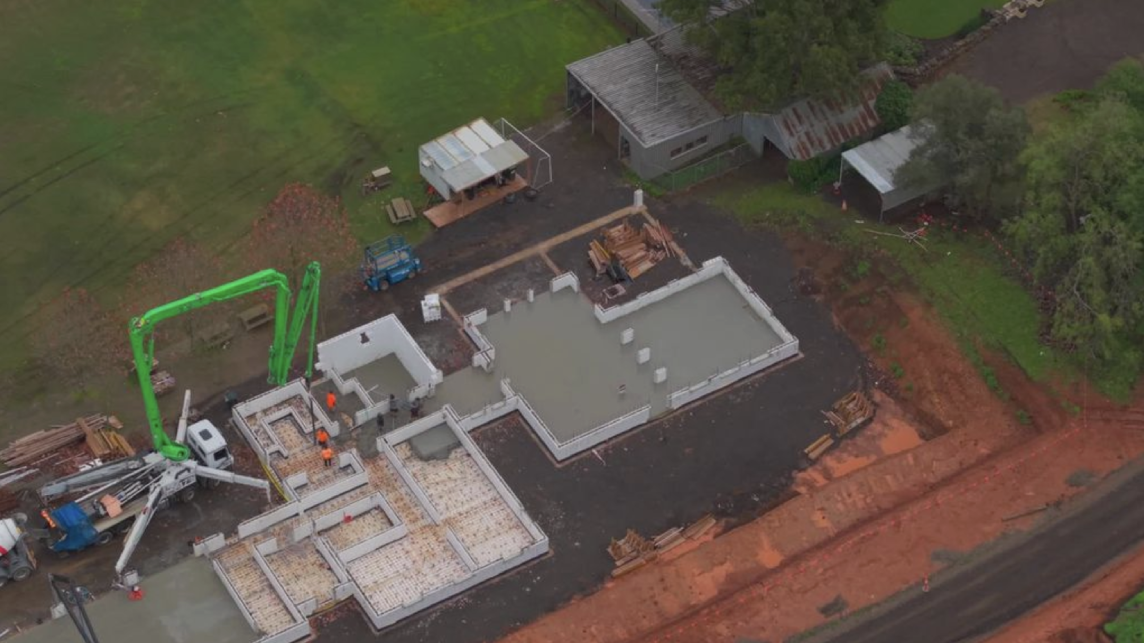
Short answer: Construction estimating services typically include reviewing project plans and specifications, completing quantity takeoffs, calculating material and labour costs, obtaining subcontractor and supplier pricing, accounting for equipment and site costs, and preparing a detailed estimate for tendering or project planning. However, inclusions vary between providers. For Australian builders, understanding exactly what an estimating service covers can help avoid unexpected costs, incomplete estimates and confusion during tender preparation. BuildHawk provides construction estimating services across Australia, helping builders gain clearer cost visibility and more confidence when pricing projects.
Overview
- Construction estimating services: Usually cover takeoffs, material pricing, labour costs, subcontractor allowances, equipment, site costs, overheads and other relevant project expenses.
- The scope varies: Not every estimating provider includes the same services, so builders should confirm inclusions before engaging an estimator.
- Takeoffs are important: A detailed quantity takeoff establishes the quantities needed to develop a reliable cost estimate.
- Current pricing matters: Material, labour and subcontractor rates should reflect relevant market conditions wherever possible.
- Estimating supports profitability: A reliable estimate helps builders avoid underpricing and make better tendering decisions.
- Outsourcing can add capacity: External estimating support can help builders manage multiple tenders without immediately hiring an in-house estimator.
- BuildHawk provides support across Australia: BuildHawk helps Australian builders with professional construction estimating services designed to provide greater clarity over project costs.
What are construction estimating services?
Construction estimating services are professional services that help builders determine the expected cost of completing a construction project.
An estimator takes information from drawings, specifications, schedules and other project documents and turns it into a structured cost estimate.
The work can involve much more than simply calculating material prices.
Depending on the provider and project, construction estimating services may include:
- Quantity takeoffs: Measuring the quantities of materials and work required.
- Material estimating: Calculating expected material costs using relevant pricing.
- Labour estimating: Determining labour requirements and associated costs.
- Subcontractor pricing: Allowing for specialist trades and subcontracted work.
- Plant and equipment: Accounting for equipment hire and related costs.
- Site costs: Including relevant site establishment, logistics and project expenses.
- Overheads and contingencies: Allowing for appropriate indirect costs and identified risks.
- Tender support: Preparing cost information that can be used to develop a tender or quotation.
Two estimating companies may offer services under the same general name but have very different scopes.
What is included in construction estimating services?
The exact inclusions depend on the project and provider, but a comprehensive service can cover several stages of the estimating process.
1. Project document review
Estimating generally begins with a review of the available project documentation.
This can include architectural drawings, engineering drawings, specifications, schedules, finishes and other relevant information.
The estimator needs to understand what is being built before assigning costs to the work.
During this stage, potential scope gaps, inconsistencies or areas requiring clarification may also be identified.
2. Quantity takeoff
A quantity takeoff is one of the most important components of professional estimating.
The estimator measures the quantities of materials and work required based on the project documentation.
Depending on the project, this may involve items such as concrete, steel, timber, roofing, flooring, plasterboard, doors, windows, fixtures and finishes.
Accurate quantities provide the foundation for the subsequent pricing calculations.
3. Material cost estimating
Once quantities have been established, the estimator can apply appropriate material rates.
The objective is to create a realistic picture of expected material expenditure.
Where possible, current supplier pricing can be used rather than relying solely on outdated rates.
Material costs may also need to consider delivery, wastage, handling and other associated expenses.
4. Labour cost estimating
Labour is another major component of construction costs.
A construction estimator considers the work required and develops labour allowances based on appropriate rates and productivity assumptions.
The complexity of the project, site access, sequencing and construction methods can all influence labour requirements.
Australian businesses should also consider applicable employment requirements when developing labour cost assumptions. This may include minimum wages, award rates, overtime, penalty rates, allowances, superannuation, leave entitlements and other employment-related costs that may apply to their workers. Accounting for these requirements can help businesses develop more realistic labour estimates and reduce the risk of underestimating the true cost of employing workers.
5. Subcontractor pricing
Many builders depend on specialist subcontractors for parts of a project.
Construction estimating services may therefore include obtaining, reviewing or allowing for subcontractor pricing.
Depending on the scope, this could include trades such as:
- Electrical
- Plumbing
- Mechanical
- Earthworks
- Roofing
- Glazing
- Painting
- Landscaping
- Cabinetry and joinery
An estimator should also review subcontractor exclusions where quotes are available.
A low subcontractor price does not necessarily mean a lower project cost if important scope has been excluded.
6. Plant and equipment costs
Construction projects may require plant, tools and specialist equipment.
Estimating services can include allowances for equipment hire, operation and related expenses.
The requirements vary significantly depending on the project.
A residential renovation may require relatively limited equipment, while a major commercial or civil project could involve substantial plant and machinery costs.
7. Site and project costs
Some project expenses are not immediately obvious when looking at material quantities.
Depending on the scope, an estimate may account for:
- Site establishment
- Temporary facilities
- Temporary services
- Waste removal
- Site security
- Temporary fencing
- Traffic management
- Delivery and logistics
- Site supervision
- Permits and applicable fees
These costs can have a meaningful impact on the overall project price.
What is a construction takeoff?
A construction takeoff is the process of identifying and measuring the quantities of materials, components and work required for a construction project.
For example, rather than simply noting that a project requires flooring, an estimator determines the relevant quantity and considers the specified product, installation requirements and associated labour.
A takeoff therefore connects the project documentation with the cost estimate.
A good takeoff can help builders:
- Understand project scope: Establish what materials and work are required.
- Improve pricing: Provide quantities that can be matched with current rates.
- Reduce omissions: Identify items that might otherwise be overlooked.
- Request supplier quotes: Give suppliers clearer information about required quantities.
- Compare actual costs: Provide a reference point for reviewing project performance.
Digital takeoff and estimating software can make the process faster, but professional review remains important.
What does a construction estimator do?
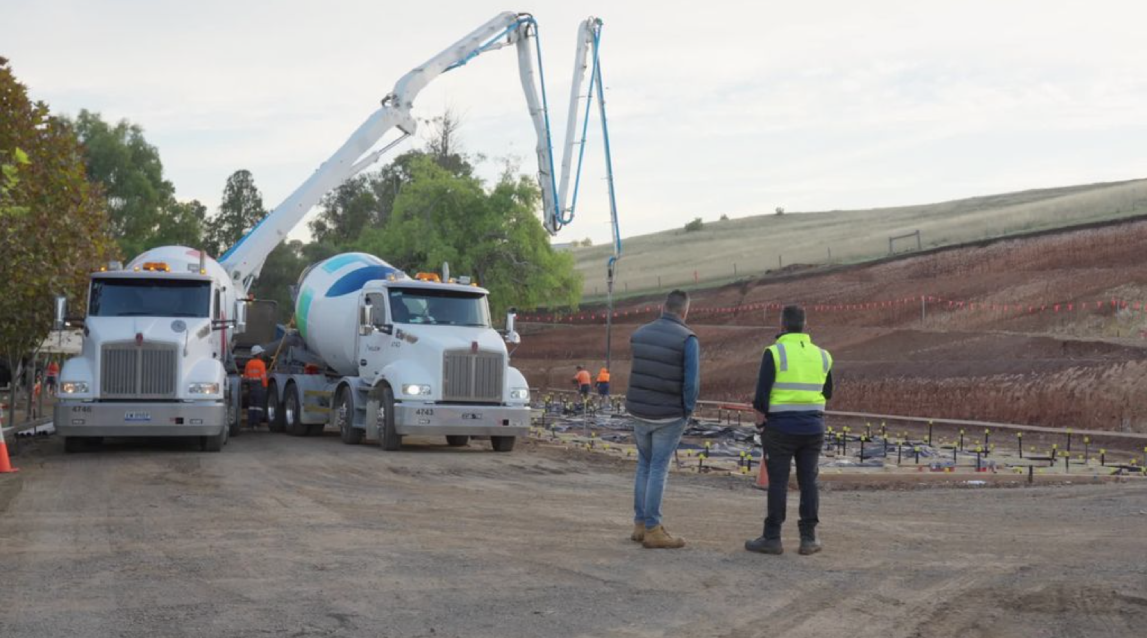
A construction estimator turns project information into a practical cost forecast.
Their responsibilities can include reviewing plans, performing takeoffs, researching prices, calculating labour requirements, obtaining subcontractor costs and preparing estimating documentation.
A good estimator also needs to identify potential risks and assumptions.
For example, they may recognise that a project has difficult access, unusual materials or incomplete information that could affect pricing.
In other words, what does a construction estimator do? The answer goes beyond adding up numbers. An estimator interprets project information and uses it to create a cost picture that builders can use for commercial decision-making.
How do construction estimating services work?
The process can vary between providers, but a typical workflow looks like this:
Step 1: Receive project documentation
The builder provides the available drawings, specifications, schedules and other relevant information.
Step 2: Review the scope
The estimator examines the documentation to understand the project's requirements and identify potential gaps or uncertainties.
Step 3: Complete the takeoff
Required quantities are measured and organised into appropriate cost categories.
Step 4: Apply pricing
Material, labour, subcontractor and other relevant costs are applied to the quantities.
Step 5: Add project costs
Site costs, equipment, logistics, waste and other applicable expenses are considered.
Step 6: Review the estimate
The completed estimate is checked for omissions, inconsistencies, outdated assumptions and unusual costs.
Step 7: Deliver the estimate
The final cost information can then be used by the builder to support tendering, quoting, budgeting or project planning.
This structured process addresses a major pain point for builders: not knowing exactly what they are paying an estimating service to deliver.
Before engaging an external estimator, builders should ask for a clear scope of work and confirm what will and will not be included.
Why should builders use construction estimating services?
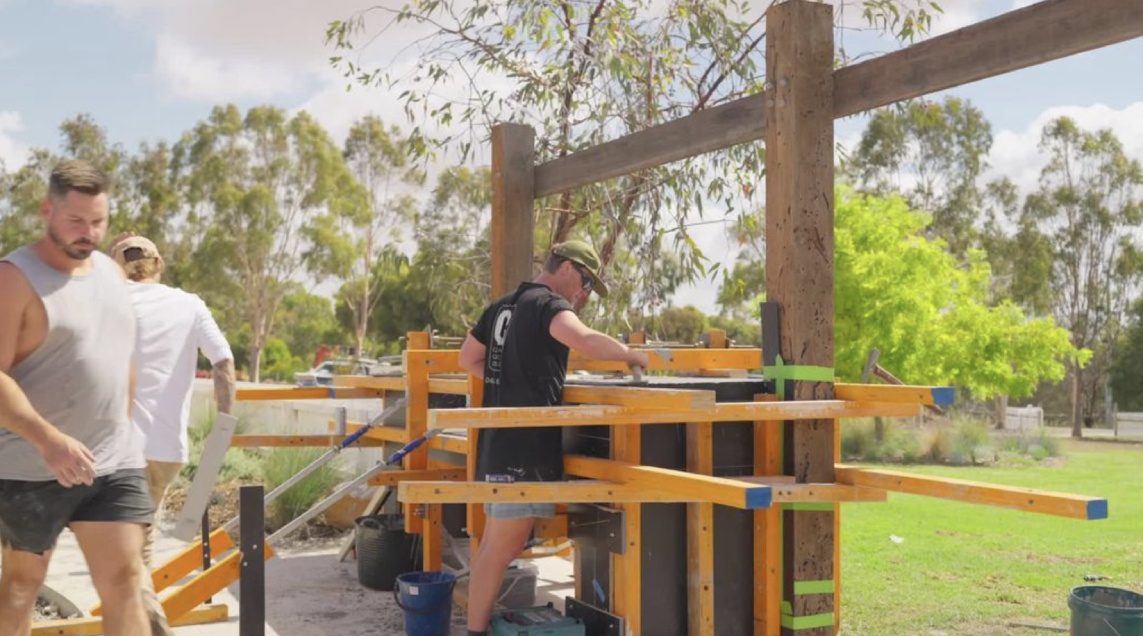
Preparing detailed estimates takes time.
For builders managing active projects, clients, subcontractors and multiple tender opportunities, estimating can become a significant administrative burden.
Professional estimating services can help by providing additional capacity and specialist estimating expertise.
Potential benefits include:
- Save time: Reduce the amount of internal time spent preparing detailed estimates.
- Increase tender capacity: Allow the business to respond to more project opportunities.
- Improve cost visibility: Create a clearer breakdown of expected project costs.
- Reduce omissions: Use a structured process to identify required work and materials.
- Support pricing decisions: Give builders better information before setting a tender price.
- Improve consistency: Establish a repeatable approach to estimating across projects.
- Free up internal resources: Allow builders to focus more on project delivery, clients and business development.
The value is not simply the estimate itself. It is the additional clarity and capacity the process can provide.
What are the benefits of construction estimating services?
The benefits depend on the quality and scope of the service, but professional estimating can support several important business objectives.
Better tender preparation
A detailed estimate gives builders a stronger foundation for developing tender prices.
Greater cost visibility
Breaking the project into materials, labour, subcontractors and other costs makes it easier to understand where money is being allocated.
Improved risk awareness
Estimators can identify assumptions, exclusions and areas of uncertainty before the project is priced.
More efficient workflows
Outsourcing some or all estimating work can reduce pressure on internal teams.
Better margin protection
Understanding expected costs before committing to a price can reduce the risk of underpricing.
How accurate are professional construction estimates?
No construction estimate can guarantee the final project cost.
Construction projects can change because of design revisions, site conditions, material price movements, labour availability, variations and unforeseen circumstances.
However, a professional estimate can provide a much stronger cost baseline when it is based on complete documentation, accurate quantities and relevant pricing.
Accuracy is therefore influenced by both the estimator and the quality of the information available.
Builders should also ask whether the estimate clearly identifies:
- Inclusions: What has been priced.
- Exclusions: What has not been priced.
- Assumptions: What conditions have been assumed.
- Allowances: What costs have been estimated rather than confirmed.
- Pricing date: When rates or supplier information were obtained.
This level of transparency can help prevent misunderstandings later.
How much do construction estimating services cost?
There is no single price for estimating services.
The cost of professional estimating support can vary depending on several factors, including the size and complexity of the project, the quality of the available documentation, the number of trades involved, the required turnaround time and the level of support needed.
Some providers may charge per project, while others may use hourly rates, packages or ongoing arrangements.
Rather than choosing an estimator based solely on the lowest price, builders should compare what is actually included.
Important questions include:
- Does the service include a full quantity takeoff?
- Are labour costs included?
- Are subcontractor costs included?
- Are supplier quotes obtained?
- Are site costs included?
- Are exclusions clearly identified?
- How many revisions are included?
- What format will the final estimate be provided in?
A cheaper service may not be cheaper overall if important estimating work has to be completed internally afterward.
Should builders outsource construction estimating?
Outsourcing can make sense when a builder does not have enough internal estimating capacity or needs additional support during busy tender periods.
It can be particularly useful for businesses that:
- Have multiple tenders: Several projects need to be priced simultaneously.
- Have limited estimating resources: There is no dedicated in-house estimator.
- Need additional expertise: A project requires detailed estimating support.
- Want greater flexibility: Estimating capacity needs to increase or decrease with workload.
- Want to focus internally: Management wants to spend more time on clients and project delivery.
Outsourcing does not necessarily mean giving up control. Builders can retain responsibility for final pricing while using an external estimator to prepare the underlying cost information.
What information does a construction estimator need?
The more complete the project information, the more useful the estimate is likely to be.
Depending on the project, an estimator may require:
- Architectural drawings
- Engineering drawings
- Project specifications
- Schedules
- Finishes information
- Site information
- Scope of works
- Existing-condition information
- Supplier pricing
- Subcontractor quotes
- Project location
- Relevant client requirements
If documentation is incomplete, the estimator should clearly identify the assumptions made.
For Australian projects, applicable regulatory requirements should also be considered. The Australian Building Codes Board administers the National Construction Code, which establishes minimum technical requirements for many aspects of building work in Australia.
Can construction estimating services help improve profit margins?
Yes, but estimating alone cannot guarantee profitability.
The main benefit is better information.
If a builder understands the expected cost of materials, labour, subcontractors, equipment and other project expenses, they can make a more informed decision about the price required to deliver the project.
The basic principle is:
Estimated Project Cost + Overheads + Risk Allowance + Desired Margin = Target Project Price
If the initial cost information is incomplete, the final price may also be unreliable.
That is why it is important to understand exactly what a construction estimate covers. A builder cannot accurately assess a project's commercial viability if significant cost categories are overlooked or left out.
What should builders ask before hiring an estimating service?
The best way to avoid unclear inclusions is to establish the scope before work begins.
Ask the provider:
- What does the estimating service include?
- Is the quantity takeoff included?
- Which trades and cost categories will be covered?
- Will current supplier and subcontractor pricing be obtained?
- Are labour costs included?
- Are site costs and preliminaries included?
- Are overheads and contingencies included or left to the builder?
- Will exclusions and assumptions be documented?
- How will revisions be handled?
- What will the final deliverable look like?
- What turnaround time should be expected?
These questions can turn an unclear service into a clearly defined scope.
How BuildHawk provides construction estimating services across Australia
For many Australian builders, the biggest challenge is not finding an estimator. It is finding an estimating service with clear inclusions, consistent processes and the capacity to handle projects properly.
BuildHawk provides construction estimating services across Australia, helping builders turn project documentation into structured cost information they can use for tendering, pricing and project planning.
Our approach is designed to give builders greater clarity around the costs behind a project rather than simply providing an unexplained final number.
Depending on the project requirements, estimating support can help with areas such as quantity takeoffs, material and labour costs, subcontractor pricing and other relevant project expenses.
This can help solve a common pain point: not knowing exactly what an estimating service includes until the work is already underway.
By establishing a clear estimating scope from the beginning, builders can better understand the service they are receiving and make more informed decisions about project pricing.
For Australian builders looking to increase estimating capacity without immediately expanding their internal team, professional support can also provide a flexible solution. Instead of taking on the cost and commitment of hiring an additional in-house estimator, builders can access specialised estimating expertise when they need it, whether they are preparing multiple tenders, managing complex projects or dealing with periods of increased workload. This can help maintain a consistent estimating process while allowing internal teams to focus on project delivery, client relationships and business growth.
Need more estimating capacity without adding another full-time hire? Let BuildHawk handle the detailed estimating work so your team can focus on winning and delivering projects. Get started with BuildHawk today and price your next project with greater confidence.
Frequently asked questions
What do construction estimating services include?
Construction estimating services can include project document review, quantity takeoffs, material pricing, labour costs, subcontractor allowances, equipment, site costs, overheads, contingencies and tender pricing support. The exact inclusions vary between providers.
What does a construction estimator do?
A construction estimator reviews project documents, measures quantities, researches costs, calculates labour and material requirements, reviews subcontractor pricing and prepares a detailed estimate of expected project costs.
What is included in a construction estimate?
A construction estimate can include materials, labour, subcontractors, plant and equipment, site costs, logistics, waste, overheads, contingencies and other expenses required to complete the defined scope of work.
How do construction estimating services work?
The process generally involves reviewing project documents, completing a quantity takeoff, applying current pricing, calculating labour and subcontractor costs, accounting for project-specific expenses and reviewing the completed estimate.
What is a construction takeoff?
A construction takeoff is the process of measuring and listing the quantities of materials and work required for a construction project. The quantities are then used to help calculate expected project costs.
Why should builders use construction estimating services?
Builders can use professional estimating services to save time, increase tender capacity, improve cost visibility, reduce omissions and obtain additional estimating support without necessarily hiring a full-time estimator.
How much do construction estimating services cost?
The cost varies depending on project size, complexity, documentation, turnaround requirements and the scope of services. Providers may charge per project, hourly or through an ongoing arrangement.
Should builders outsource construction estimating?
Outsourcing can be useful when builders have limited internal estimating capacity, multiple tenders to prepare or projects requiring additional estimating expertise. It can provide flexible capacity without the commitment of employing a full-time estimator.
What information does a construction estimator need?
An estimator generally needs project drawings, specifications, schedules, scope information and relevant site details. Supplier and subcontractor pricing can also be required for a more detailed estimate.
Can construction estimating services help improve profit margins?
Yes. Professional estimating can help builders understand expected project costs before setting their final price. Better cost visibility can reduce the risk of underpricing and help support more informed margin decisions.
Final thoughts
Understanding what construction estimating services include is essential before engaging an estimator.
A comprehensive service can cover much more than a simple project cost calculation. Depending on the provider, it can include document review, quantity takeoffs, material and labour estimating, subcontractor pricing, equipment, site costs, allowances and tender support.
The important point is to establish the scope clearly before the estimating work begins.
For Australian builders, BuildHawk provides construction estimating services across Australia, helping businesses gain greater visibility into project costs and make more informed pricing decisions.
Whether you need support with a single tender or additional estimating capacity for multiple projects, a clearly defined estimating service can help reduce uncertainty and give your team a stronger foundation for profitable construction work.
References
Australian Building Codes Board. (n.d.). National Construction Code. https://www.abcb.gov.au/
Australian Bureau of Statistics. (n.d.-a). Building activity, Australia. https://www.abs.gov.au/statistics/industry/building-and-construction/building-activity-australia
Australian Bureau of Statistics. (n.d.-b). Producer price indexes, Australia. https://www.abs.gov.au/statistics/economy/price-indexes-and-inflation/producer-price-indexes-australia
Australian Institute of Quantity Surveyors. (n.d.). Australian Institute of Quantity Surveyors. https://www.aiqs.com.au/
Fair Work Ombudsman. (n.d.). Building and construction. https://www.fairwork.gov.au/find-help-for/fast-food-restaurants-cafes-and-other-hospitality/building-and-construction
Safe Work Australia. (n.d.). Construction. https://www.safeworkaustralia.gov.au/safety-topic/industry-and-business/construction
Written by
BuildHawk
Founder · BuildHawk and Hawktress
Related articles
See all
How to check if a construction estimate is accurate
Knowing **how to check if a construction estimate is accurate** can help Australian builders identify costly errors before they affect a tender or project budget. From reviewing project scope and verifying quantities to checking material, labour, and subcontractor pricing, several factors can influence estimate reliability. This guide explains how to review construction estimates, identify missing costs and assumptions, compare figures with current market conditions, and determine when an independent review may be worthwhile. It also explores how BuildHawk’s construction estimating services can provide additional support and clearer cost visibility for builders across Australia.
How long does a construction estimate take?
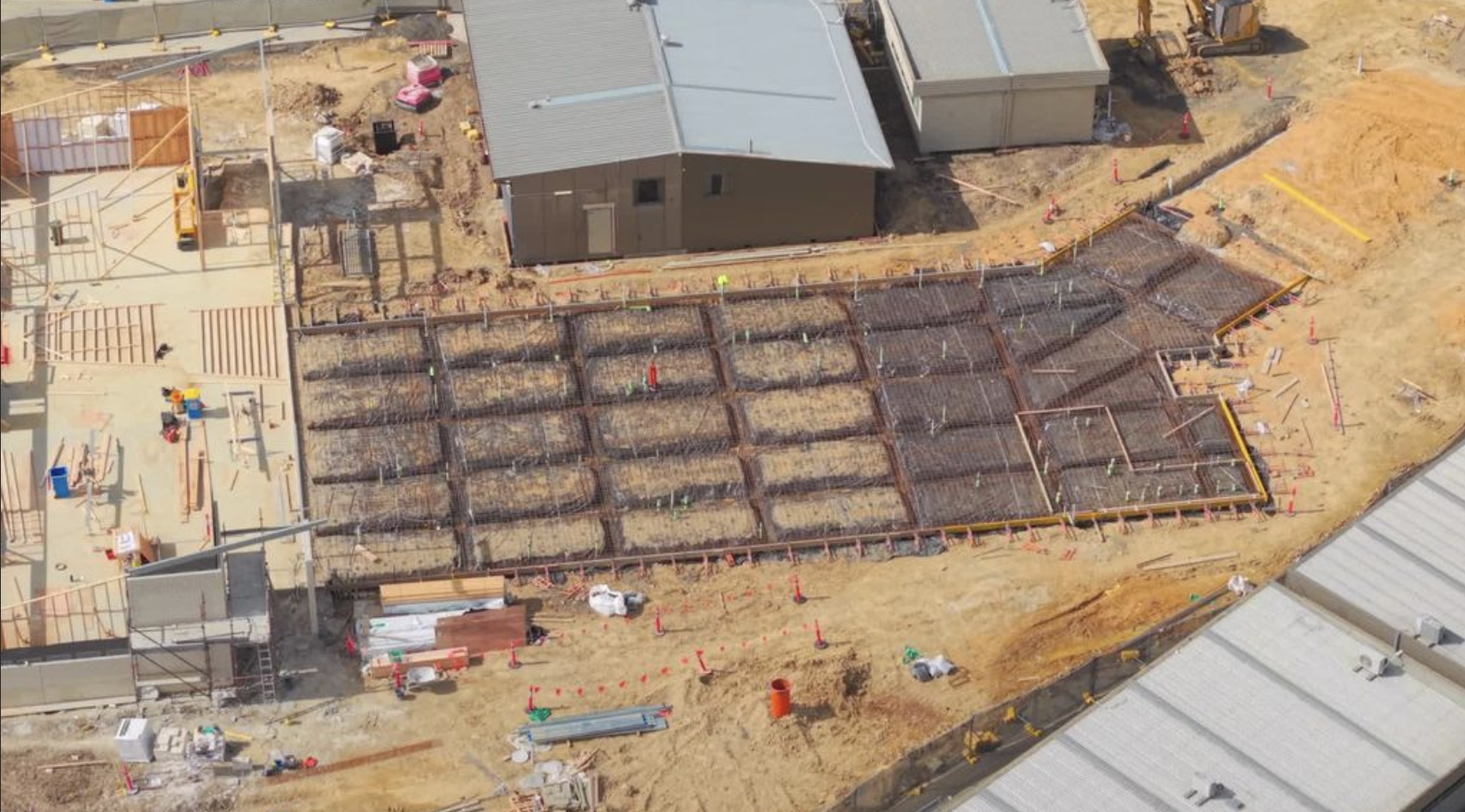
How long does a construction estimate take? The answer depends on the project’s size, complexity, documentation, number of trades, and level of detail required. Simple residential projects may take a few hours to several days, while complex commercial tenders can take several weeks. This guide explains what affects construction estimate turnaround time, why complete project information matters, and how clear pricing assumptions can help Australian builders make more informed decisions. It also explores how BuildHawk’s construction estimating services can support a more structured and transparent estimating process.